Medispirex
Medispirex
Medispirex
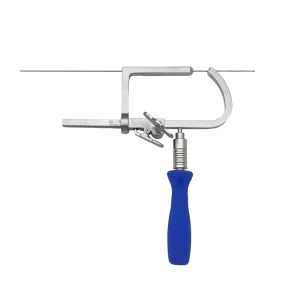
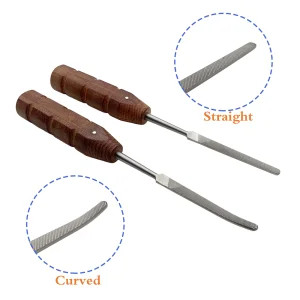
Explore our leading collection of surgical power tools, spinal systems, and intramedullary fixation devices engineered for surgical success.
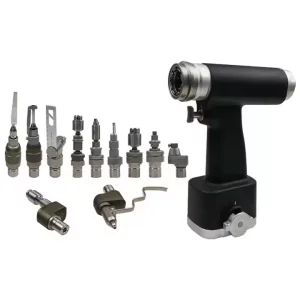
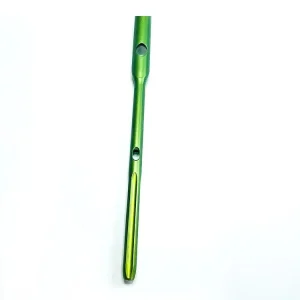
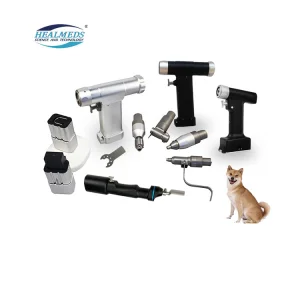
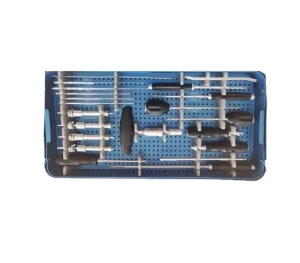
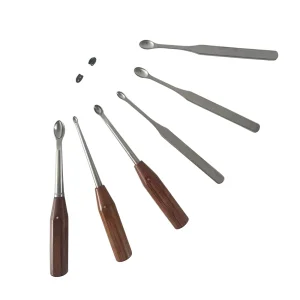
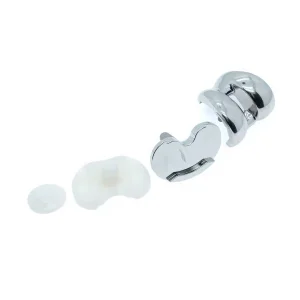
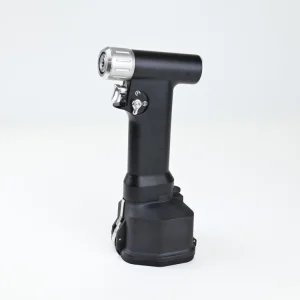
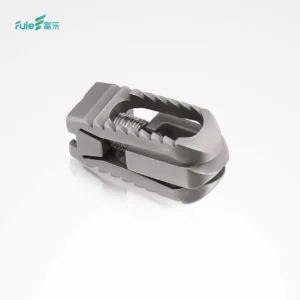
In modern orthopedic medicine, the quest for optimal osteosynthesis requires implants and tools designed with anatomical precision, biocompatible superiority, and extreme fatigue resistance. The global demand for trauma fixation systems, spinal correction instruments, and veterinary implants has driven Chinese medical manufacturing hubs to transform. Medispirex Orthopedic Technology Co., Ltd. stands at the forefront of this evolution, fusing advanced biomaterials engineering with state-of-the-art CNC machining lines to provide class-leading orthopedic options to medical networks across Europe, North America, the Middle East, and Southeast Asia.
This document details the technological roadmaps, quality standards, supply chain dynamics, and regulatory guidelines that define premium-tier fracture fixation export from China, offering sourcing officers and orthopedic distributors the insights needed for long-term clinical and economic alignment.
The selection of medical biomaterials determines the long-term biological success and biomechanical integration of implants. Medispirex has structured its development around three pillars of material science:
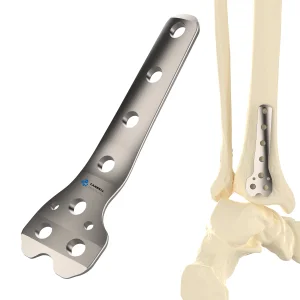
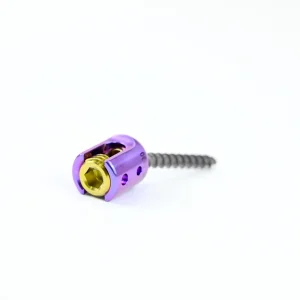
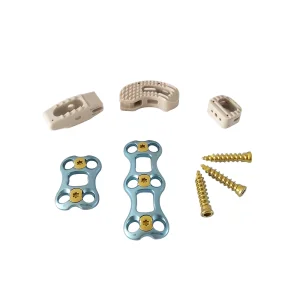
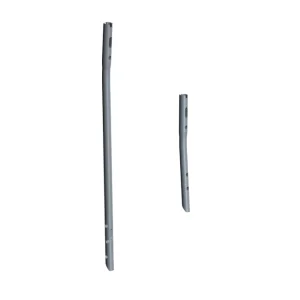
Modern fixation goes beyond rigid stabilization. Dynamic compression, anatomical conformity, and locking technology prevent implant failure. For instance, our PFNA Femoral Nail features a helical blade design that compacts the cancellous bone in osteoporotic patients, maximizing rotational and angular stability compared to traditional screw systems. Similarly, our cervical and lumbar plate systems utilize locking mechanisms with variable-angle screw options, allowing surgeons to customize fixations according to the unique anatomical challenges of each patient.
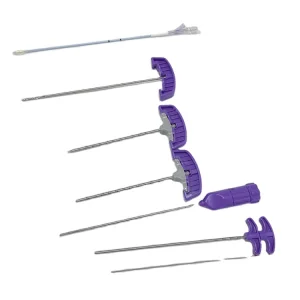
How Medispirex devices integrate into modern operating rooms, surgical setups, dynamic lock compression systems, and spinal procedures.
In addition to human implants, Medispirex addresses the booming veterinary orthopedics sector. The Veterinary Hip Prosthesis Joint Replacement Sets and specialized anatomical plates adapt human orthopedic standards to companion animal sizes, providing veterinarians with precise tools for canine hip dysplasia and complex fracture management.
Spanning a modern production facility of approximately 18,600㎡, Medispirex incorporates lean manufacturing principles, advanced multi-axis CNC machining centers, and automated surface treatment systems. The manufacturing workflow is structured to guarantee dimensional precision and high consistency across production batches.
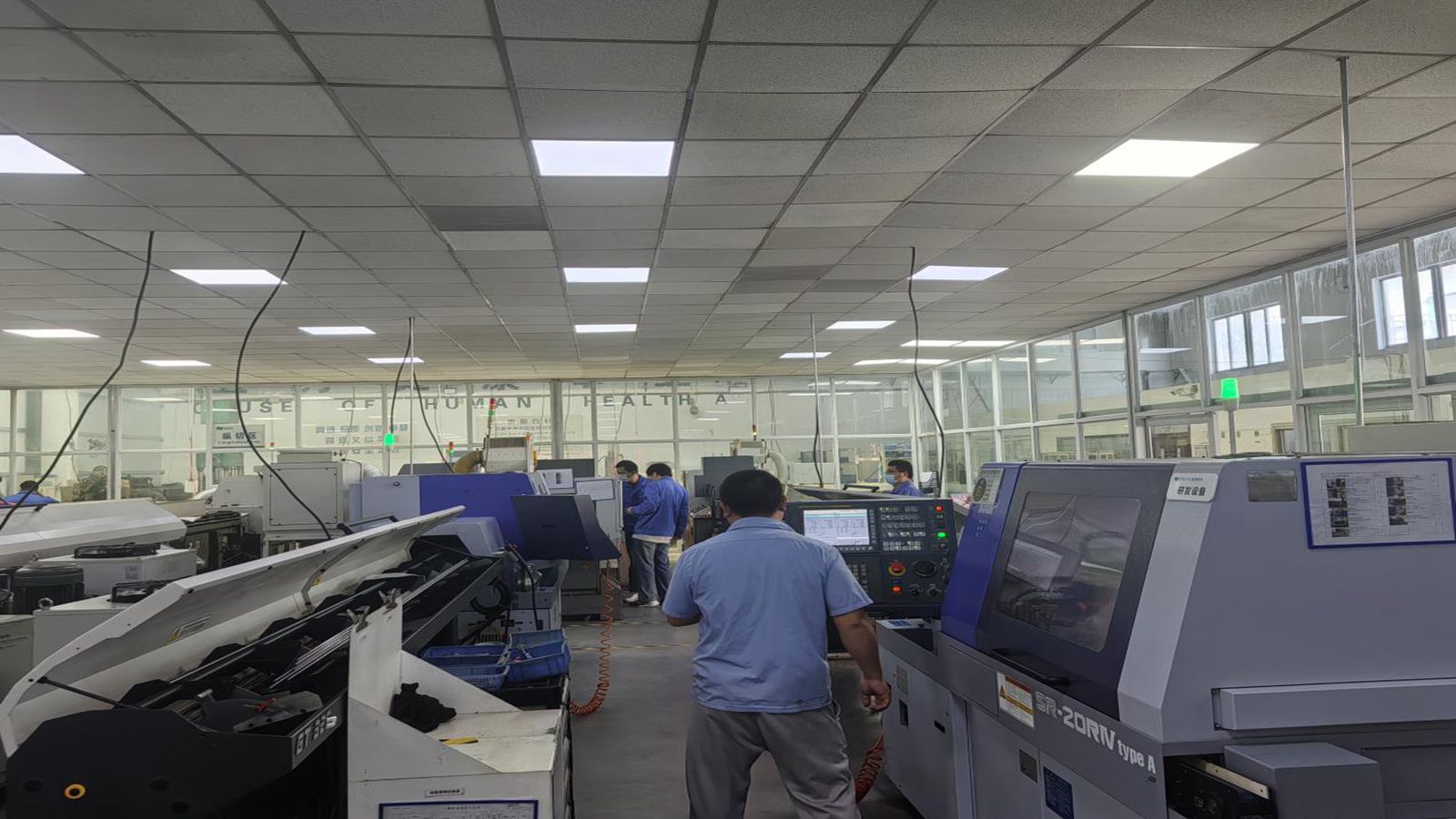
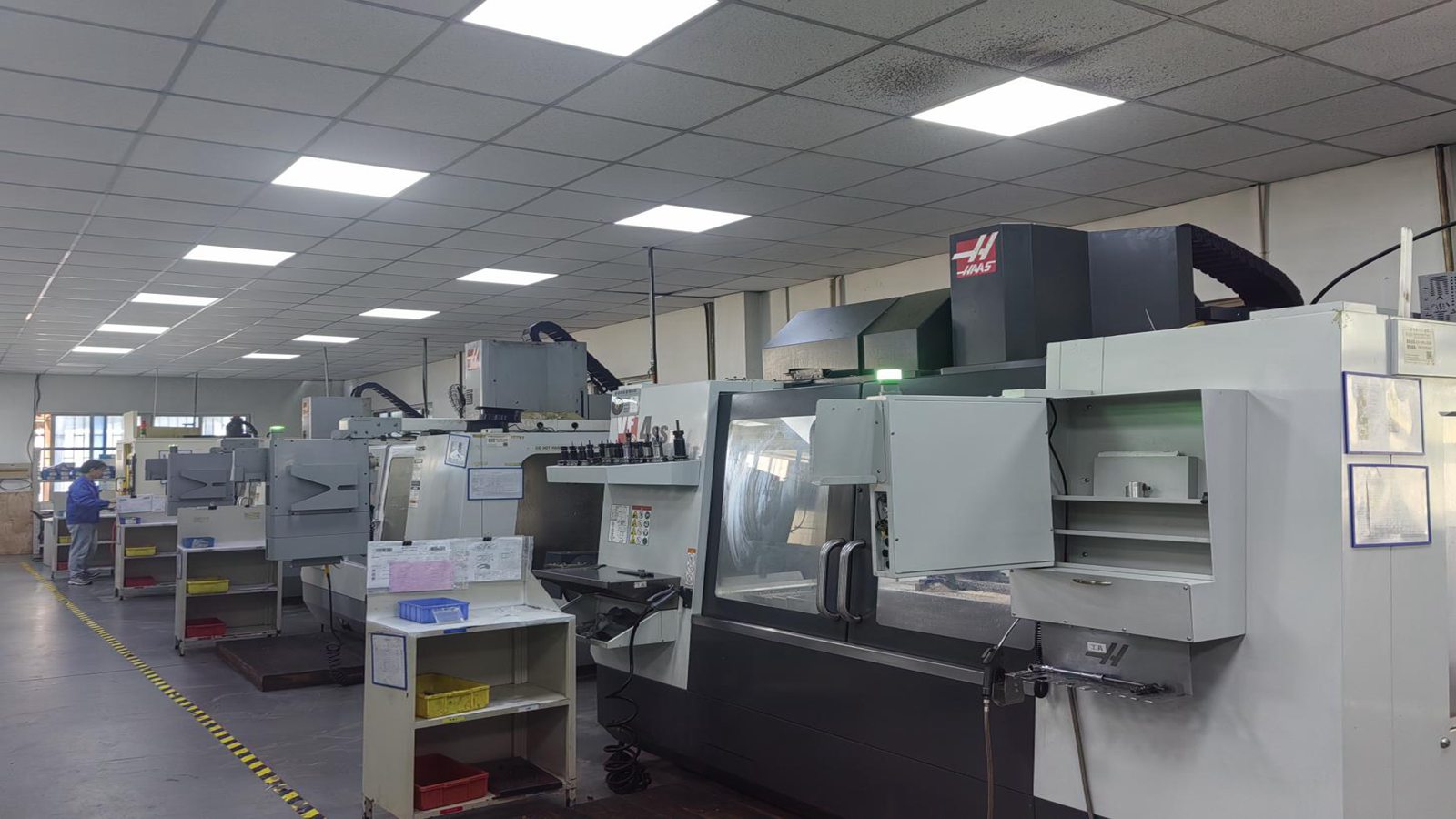
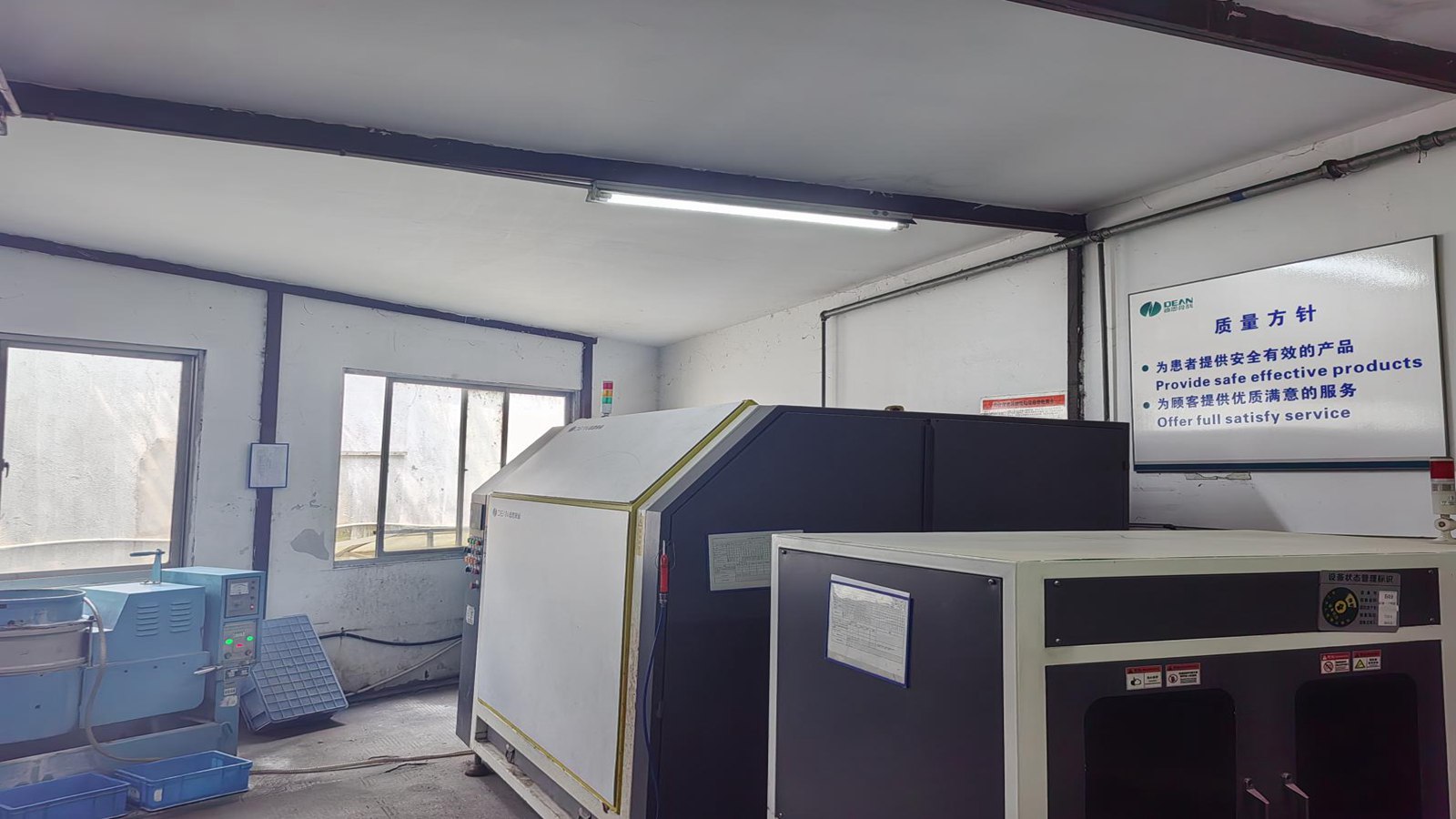
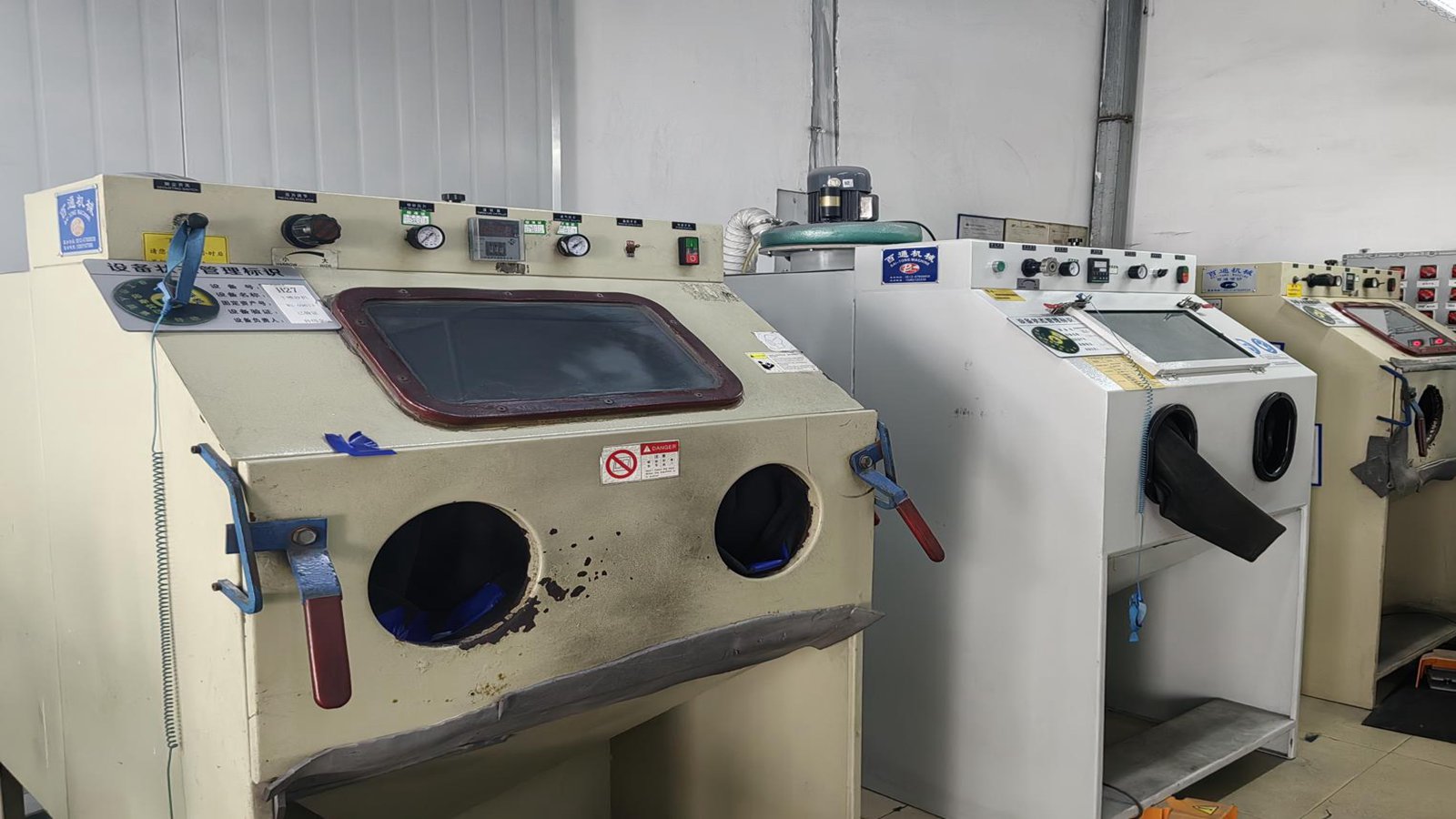
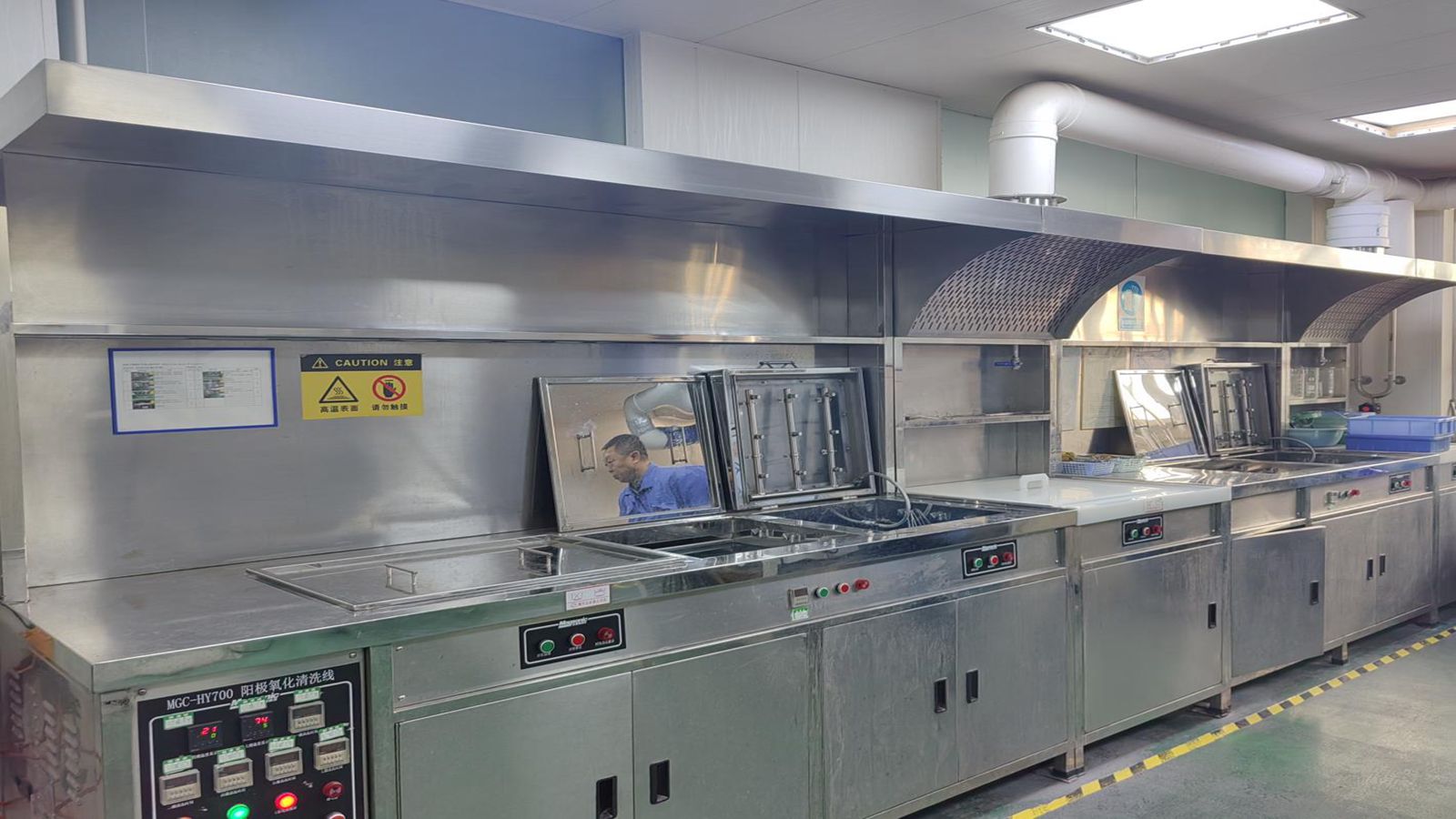
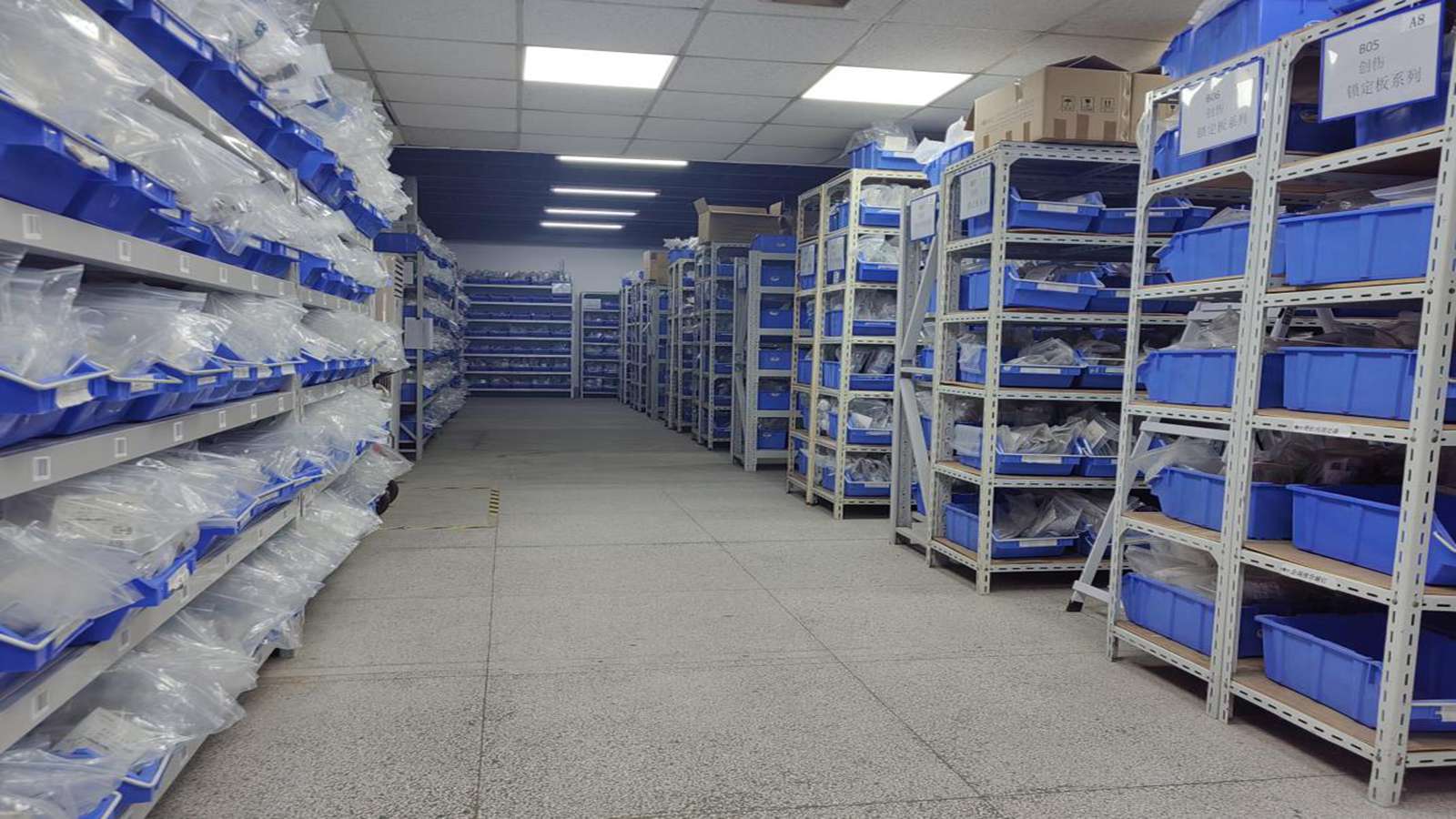
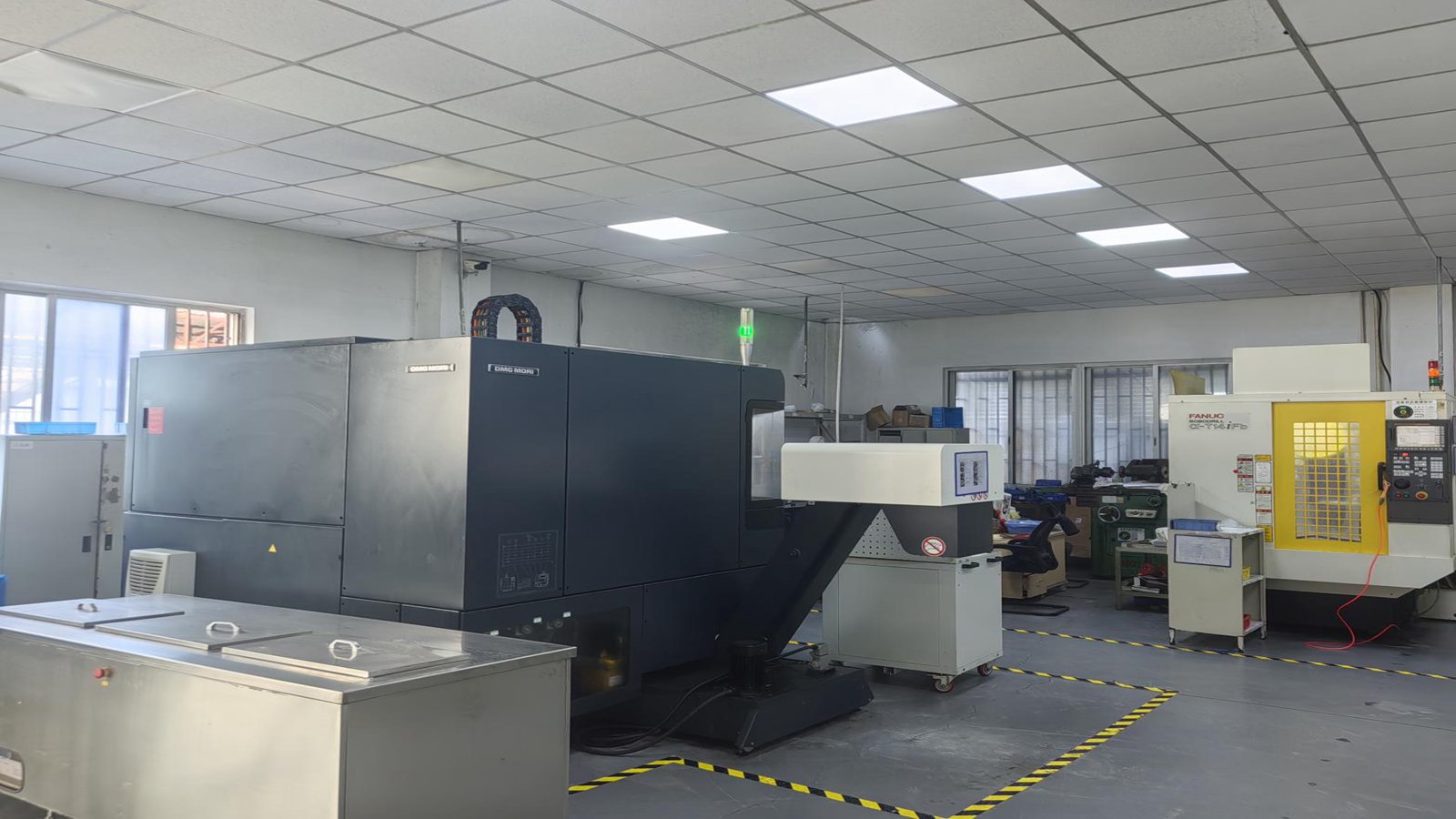
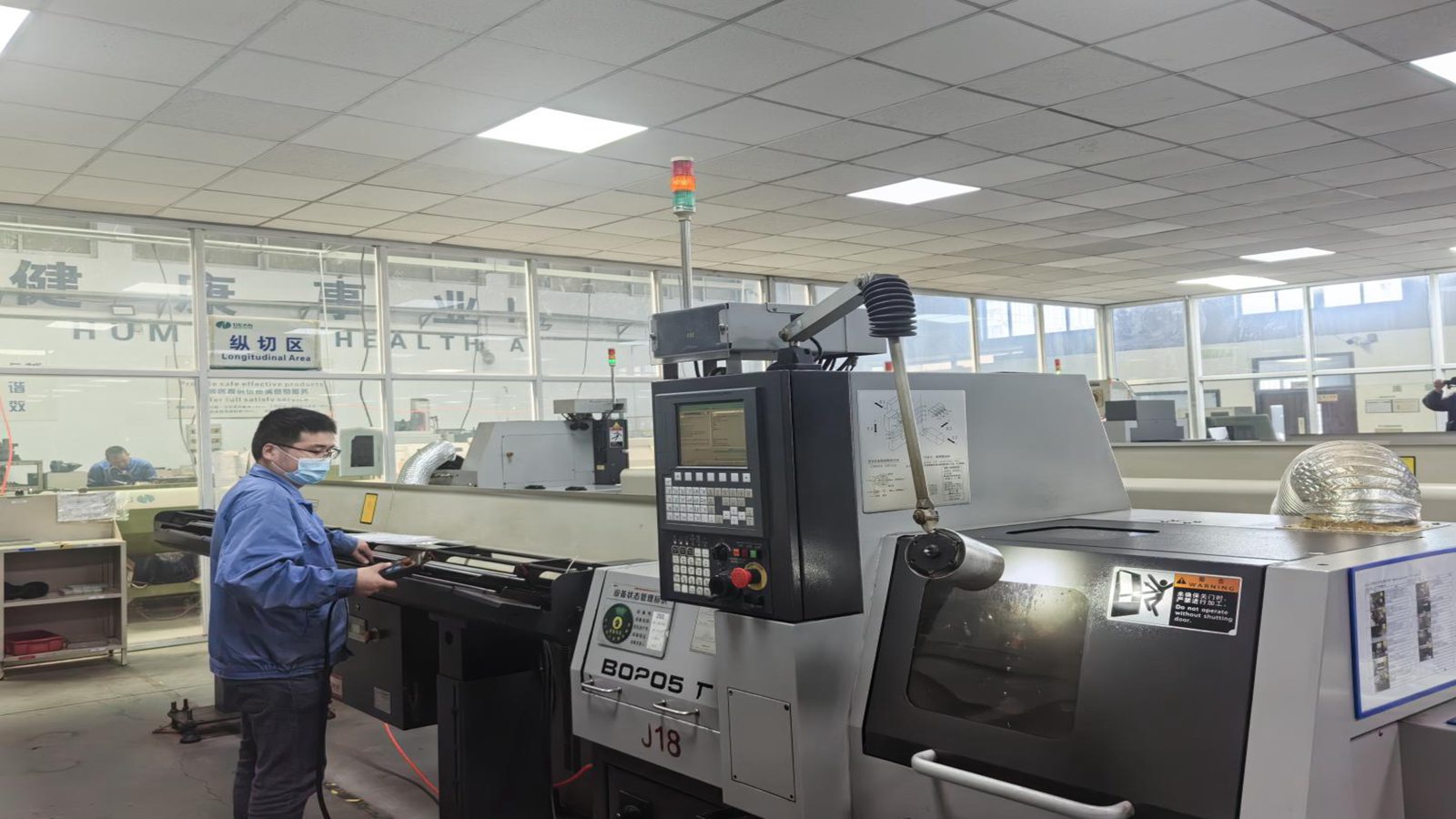
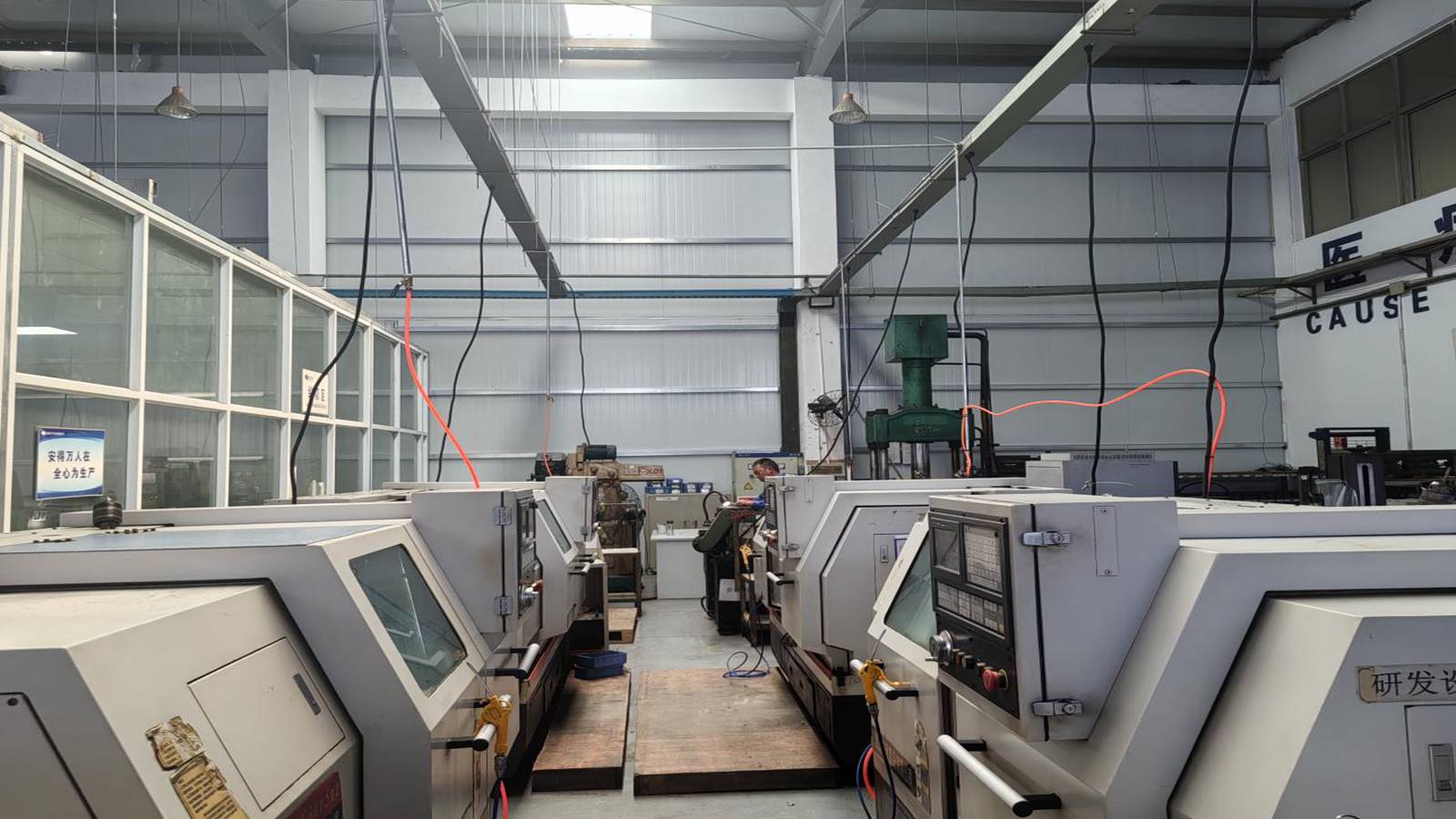
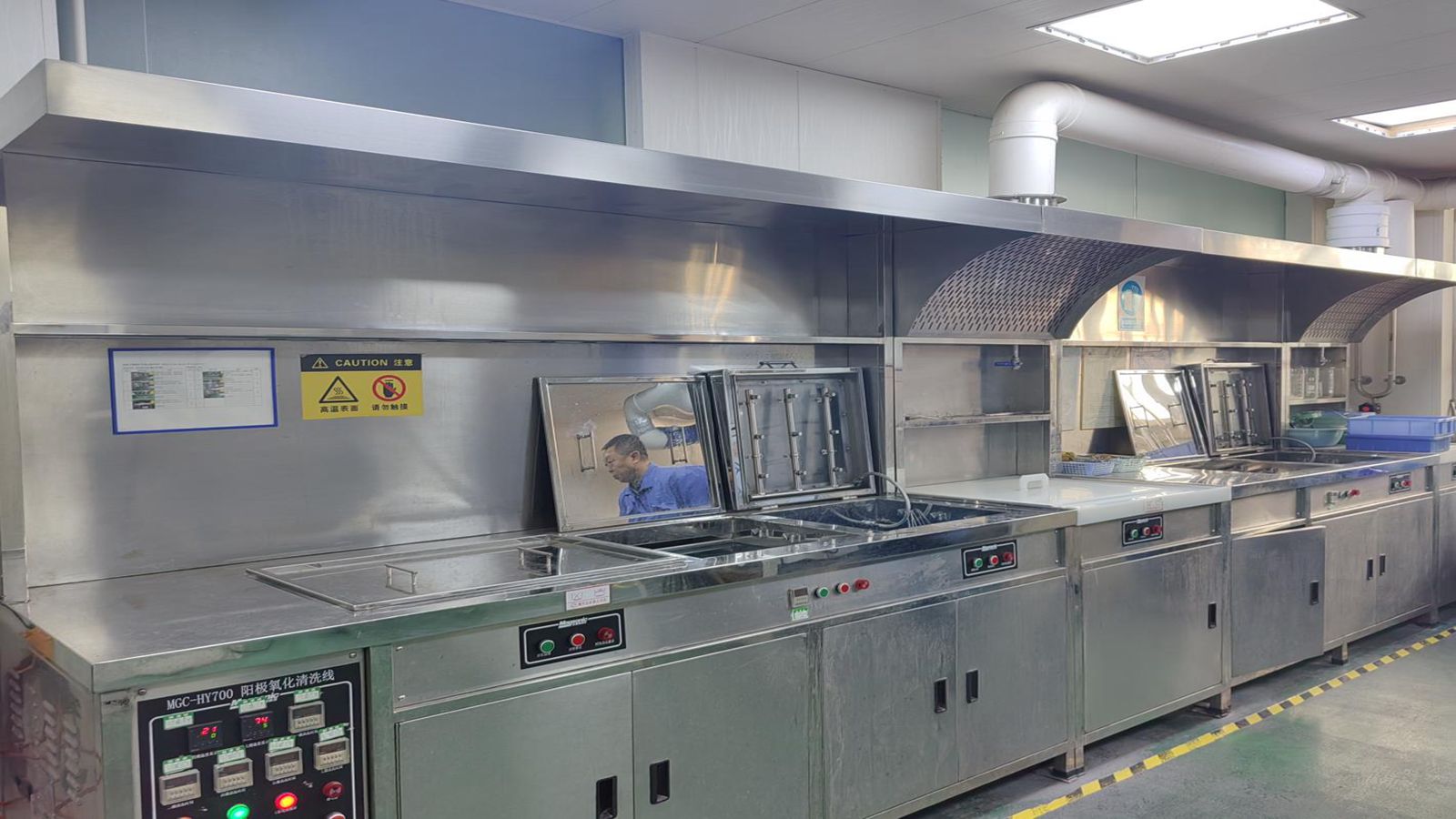
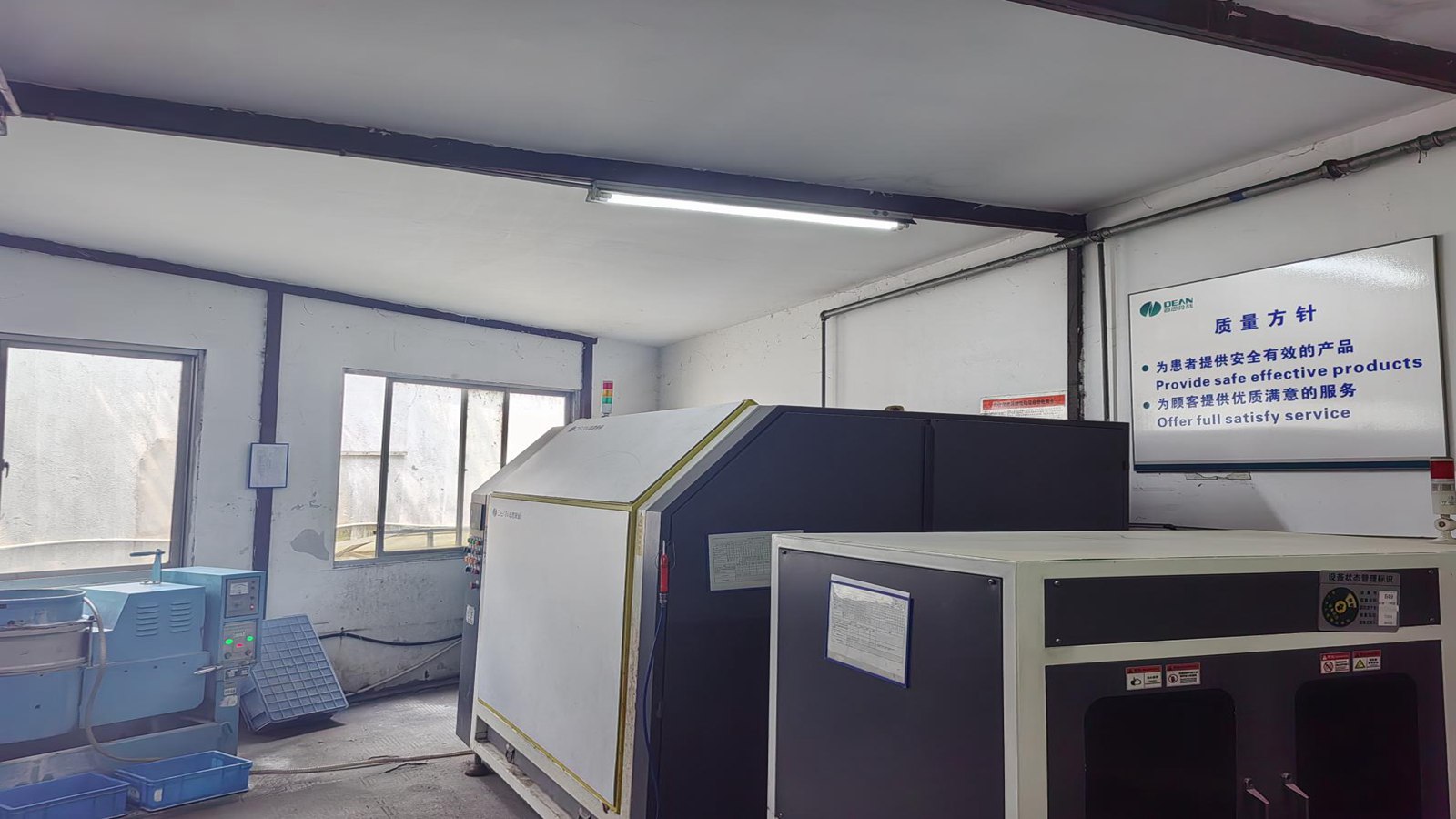
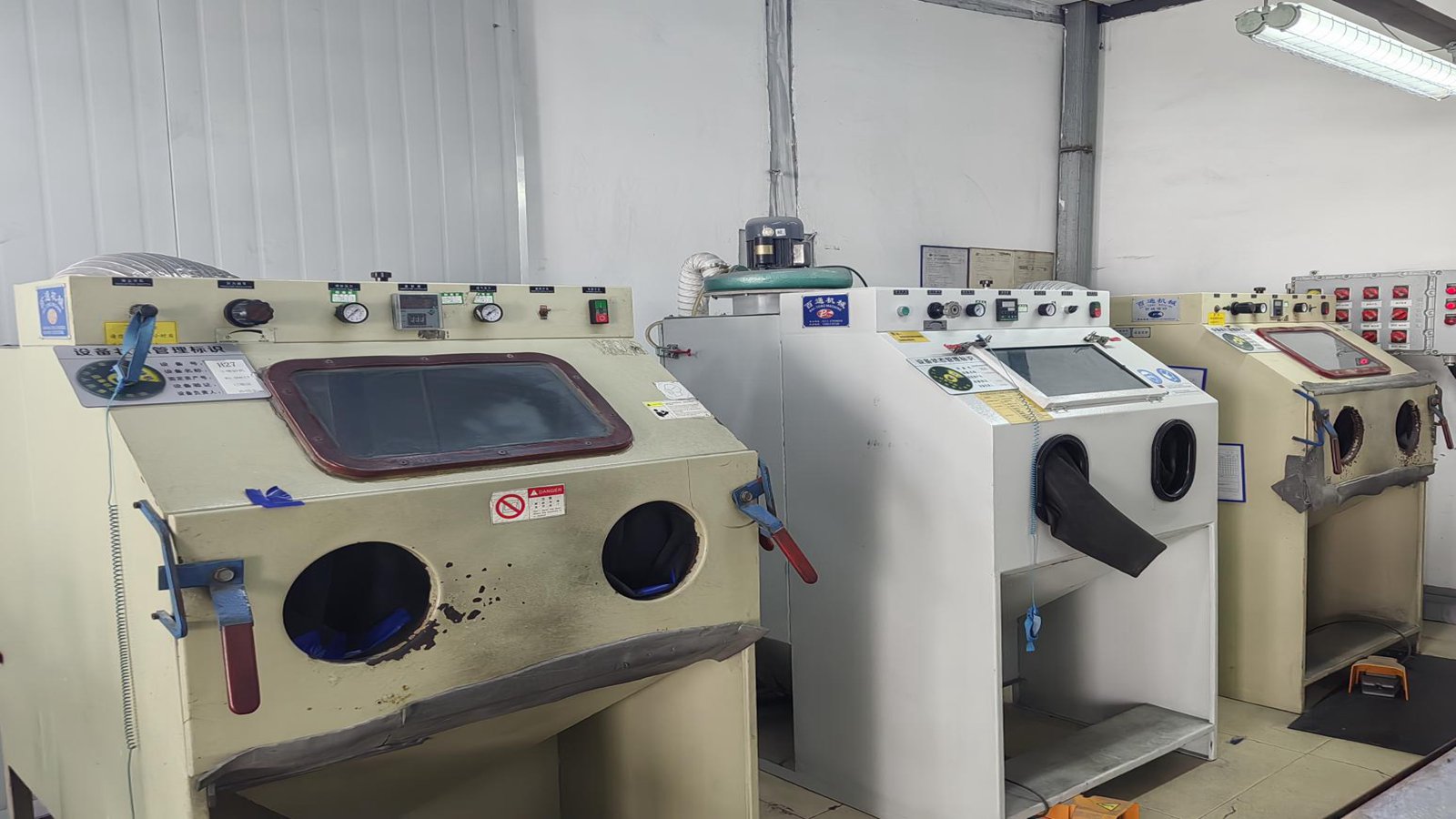
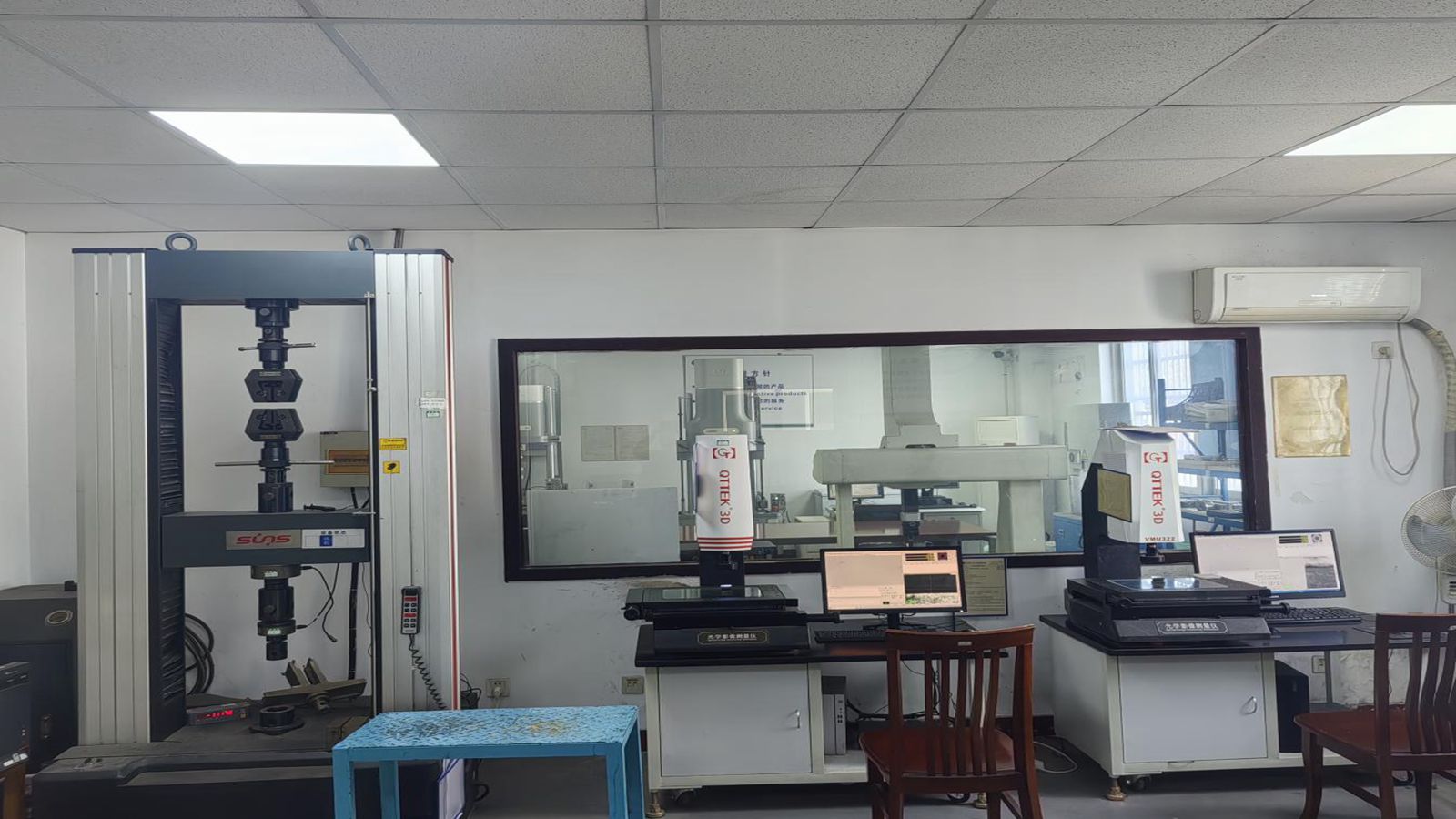
Our infrastructure optimizes the manufacturing pipeline from raw stock to cleanroom packaging. With over 860 active upstream and downstream partners, Medispirex secures stable raw titanium supply lines (certified with mill test reports) and reliable logistics, ensuring production continuity and swift global shipping schedules. This robust integration buffers against market shifts and keeps lead times predictable.
As a specialized manufacturer of Class III medical implants, Medispirex has established a robust quality control infrastructure led by 45 dedicated quality control professionals. Our facilities and products satisfy international standards:
| Testing Criterion | Methodology Applied | Regulatory Standard Compliance |
|---|---|---|
| Chemical Composition | ICP-AES Spectroscopy / Carbon & Sulfur Analysis | ASTM F136 / ISO 5832-3 |
| Dimensional Validation | Micro-VMM & Optical Comparator Inspection | ISO 13485 / GMP Standards |
| Mechanical Fatigue | Dynamic Axial Tension / Bending Fatigue Systems | ASTM F382 (Bone Plates) / ASTM F543 (Bone Screws) |
| Biocompatibility | Cytotoxicity, Sensitization, and Systemic Toxicity Testing | ISO 10993 Series |
| Sterilization Assurance | Bioburden analysis & Gamma Irradiation validation | ISO 11137 / Cleanroom Validation |
Recognizing the distinct requirements of various medical markets, Medispirex offers flexible collaboration models designed to streamline supply chains and enhance local market integration:
Private Labeling & Packaging Solutions: We offer comprehensive packaging options, from cleanroom-ready sterile blister packs to non-sterile bulk shipments. We provide localized labeling and documentation that simplifies regulatory clearance at final destinations.
Design Customization & CAD Engineering: Our R&D team works closely with surgeons and medical distributors to customize implant geometries, adjust screw thread profiles, or construct specialized surgical instrument kits. With 85 dedicated engineers and approximately 120 new products launched annually, we turn concepts into clinical solutions quickly.
Supply Chain Security for Tender Submissions: Medispirex supports distributors bidding on public and private hospital contracts by guaranteeing fixed pricing, reliable delivery schedules, and providing comprehensive technical documentation packages.
Critical insights for distribution partners, procurement heads, and orthopedic surgeons regarding implant materials, regulatory guidelines, and manufacturing processes.
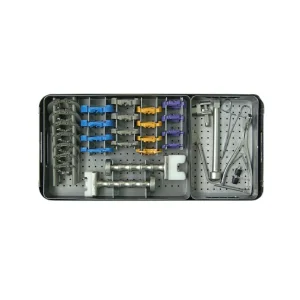
Premium spinal components, titanium locking plates, joint reconstruction instruments, and surgical kits designed for clinical success.